About Walk Behind Roller
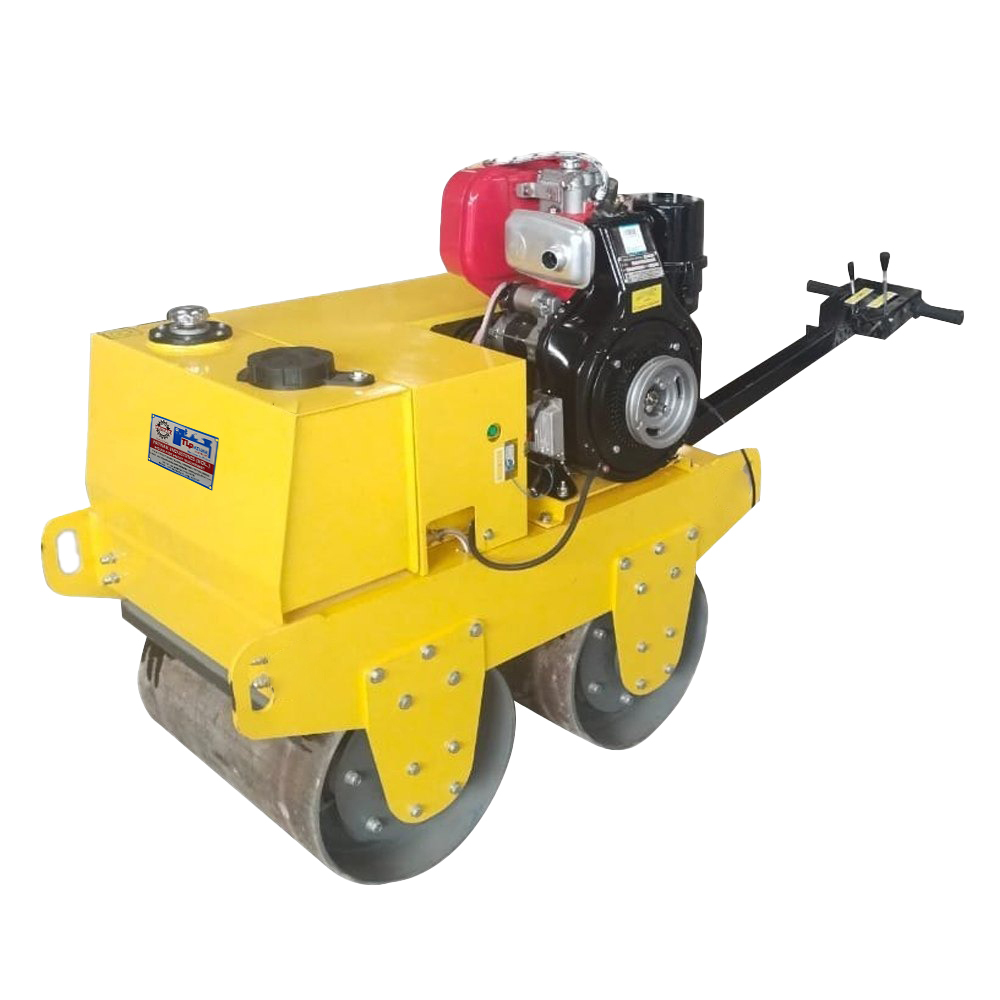
TL Pathak Group's Walk-Behind Roller is a compact and versatile compaction solution designed for construction projects. This machine is ideal for achieving precise compaction in smaller spaces, making it well-suited for road repair, landscaping, and foundation work. The walk-behind design provides ease of maneuverability and allows operators to navigate tight spaces with efficiency,equipped with a powerful engine, the Walk-Behind Roller delivers reliable performance in compacting soil and asphalt. Its ergonomic features include user-friendly controls and a comfortable handle, ensuring operator convenience and control during compaction tasks. The machine's durability and robust construction make it suitable for demanding construction environments.
Technical Specifications :
| Model |
TLPWBR |
| Engine Brand |
Greaves Diesel Engine/Changfa/Honda |
| Engine Model |
1510 Electric Start/186 Electric Start |
| Engine Type |
Air Cool Diesel/Gasoline |
| Power |
5.76-9 H.P. |
| Drive Model |
Mechanical Drive |
| Walking Model |
Forward and Back |
| Vibratory Clutch Method |
Automatic |
| Centrifugal Force/Exciting Force |
25 KN |
| Rotating Speed |
2200-3000 RPM |
| Fuel Capacity |
6-8 ltr. |
| Lubricating Oil |
36 No. Hydraulic Oil |
| Static Load |
45 N/Cm |
| Vibration Frequency |
70 Hz |
| Nominal Amplitude |
0.6 mm |
| Area of Compaction |
25000 Sq.Ft./Hour |
| Theoretical Climbing Ability |
30 % |
| Hydraulic Oil Tank Capacity |
18 ltr. |
| Water Tank Capacity |
35 ltr. |
| Watering System |
Gravity Sprinkle System |
| Wheel Size |
600x420 mmx2 |
| Package Size |
1350x750x1150 mm |
| Weight |
660 kg |
High-Performance Compaction for Construction NeedsEngineered for demanding construction sites, the WBR-550 Walk Behind Roller offers optimal performance with a vibration frequency of 70 Hz and a static linear load of 13 kN. Its double drum drive mechanism and 0.5 mm amplitude guarantee even compaction across large surfaces, making it suitable for roadways, pavements, and asphalt projects.
User-Friendly Operation and MaintenanceThe WBR-550 prioritizes operator comfort and safety with an adjustable, foldable handle and a mechanical braking system. Its air-cooled diesel engine, centrifugal clutch, and engine oil lubrication ensure smooth, low-maintenance operation, while the powder-coated robust steel frame promises longevity on tough job sites.
FAQ's of Walk Behind Roller:
Q: How do you operate the Walk Behind Roller WBR-550?
A: To operate the WBR-550, fill the fuel and water tanks, start the diesel engine using the simple recoil start mechanism, then use the hand lever mechanical controls to guide and maneuver the roller. The adjustable handle allows for ergonomic positioning, making it easy to control compaction on various surfaces.
Q: What types of construction projects is this roller suitable for?
A: This roller is designed for road construction, pavement compaction, and asphalt surface finishing. Its high compaction uniformity and robust performance make it particularly effective on walkways, driveways, parking lots, and small-to-medium roadworks.
Q: When should the fuel and water tanks be refilled during operation?
A: The 5.5-liter diesel fuel tank and 60-liter water tank are sized for extended operation. Monitor their levels regularly throughout the workday and refill when necessary, ideally before the tanks are close to empty to ensure continuous, efficient compaction.
Q: Where can the WBR-550 be used effectively?
A: The WBR-550 performs optimally at outdoor construction sites such as roads, pavements, and asphalt applications. Its robust frame and temperature tolerance from -10C to +45C allow reliable use across varied Indian climates and terrain conditions.
Q: What benefits does the mechanical vibration system provide?
A: The mechanical vibration technology delivers consistent amplitude and frequency, resulting in highly uniform compaction. This efficiency leads to a smoother, durable surface finish, reducing the need for rework and enhancing overall project quality.
Q: How often does the roller require maintenance?
A: Routine maintenance includes checking the engine oil, air cooling system, and lubricating moving parts. With its low-maintenance design, most service intervals depend on usage but generally align with standard construction equipment schedules to ensure a service life of over 5 years.
 Send Inquiry



 Send Inquiry

 Send Inquiry